wellness
Shift Workers and Irregular Sleep: Practical Strategies for Oslo’s 24/7 Workforce
As more Oslo residents work non-traditional hours, sleep experts and local programs offer concrete advice for healthier nights-and days.
Listen in English · 4 min
How we reported this
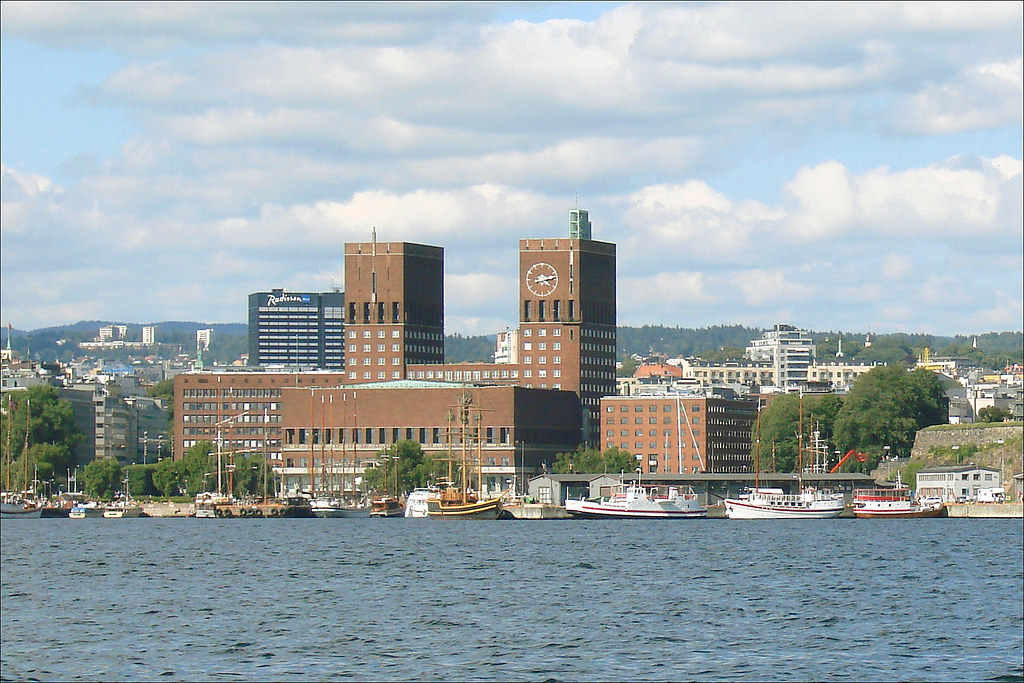
Torben Kristiansen, a tram driver living in Torshov, says it’s rare for him to get a full night’s sleep twice in the same week. “You make do with what you can,” he shrugs, climbing aboard his morning shift after finishing a late run the night before. Oslo’s expanding round-the-clock economy-fuelled by health workers, hospitality staff, and transportation crews-means thousands juggle counterintuitive sleep schedules each month.
With Oslo’s demand for flexible services rising, irregular sleep patterns are a mounting public health concern. The city’s unmistakable summer brightness-sunset well after 10pm in July-and a surge in shift-based jobs at places like Oslo universitetssykehus and the Storo Storsenter, put increasing strain on residents' circadian rhythms. Experts report a direct link between unstable rest and heightened risks of accidents, depression, and chronic illness.
Oslo Steps Up Support-for Those Awake at Odd Hours
Several Oslo institutions have started offering resources aimed specifically at shift workers. The Norwegian Centre for Sleep Medicine, at Ullevål Hospital, has recorded a 23% jump in consults relating to shift work disorder since 2024. Meanwhile, Frisklivssentralen, a municipal wellness centre with a facility near Akerselva, began a series of monthly workshops last spring. These focus on strategizing light exposure, nutrition, and routine for people working the night desk at Barcode buildings or rotating through Aker sykehus’ ER.
Several city pharmacies along Karl Johans gate have reported steady sales of sleep masks and blackout curtains-essentials for those who need to nap through Oslo’s piercing summer sunshine. Prices range from 149 to 389 kroner, according to Ditt Apotek at Majorstuen. Meanwhile, Pilestredet-based suppliers note an uptick in demand for devices like white noise machines, a small but growing market at roughly 599 kroner apiece.
What the Numbers-and the Specialists-Say
A 2025 survey from Helsedirektoratet found that nearly 17% of employed Oslo adults work shifts outside regular daytime hours. Among these, fewer than 35% meet Norway’s recommended target of 7 to 9 hours of sleep nightly. The Norwegian Institute of Public Health has linked chronic sleep deprivation to increased absenteeism-a problem costing the public sector an estimated 150 million kroner annually in Oslo County alone.
Specialists at Oslo universitetssykehus urge careful management of light and routine. Leveraging blackout shades (widely available at IKEA Furuset) and sticking to consistent meal times-even across changing shifts-can help recalibrate the body’s clock. Blue-light blocking glasses, popularised among late-night tech workers, are available at several shops in Grünerløkka and Bjørvika, typically priced from 199 kroner.
For those unable to fully control their schedules, local sleep clinics recommend establishing a wind-down routine after night shifts: limit caffeine to before midnight, use relaxation apps provided by services like HelseSmart, and communicate rest needs clearly with family and flatmates.
Looking ahead, Oslo Kommune is piloting a programme with selected businesses in the Alna and Økern districts, trialling “protected nap breaks” for night staff. Early results, due this autumn, could inform city-wide regulation and health policy. In the meantime, city dwellers like Torben are cobbling together strategies, blackout curtains firmly drawn, in the quest for restorative sleep-regardless of the hour.