wellness
The Hidden Nature Walks Locals Love But Tourists Miss
While visitors queue for the Vigeland Sculpture Park selfie spots, Oslo's regulars are deep in forest trails that start ten minutes from the city centre.
How we reported this
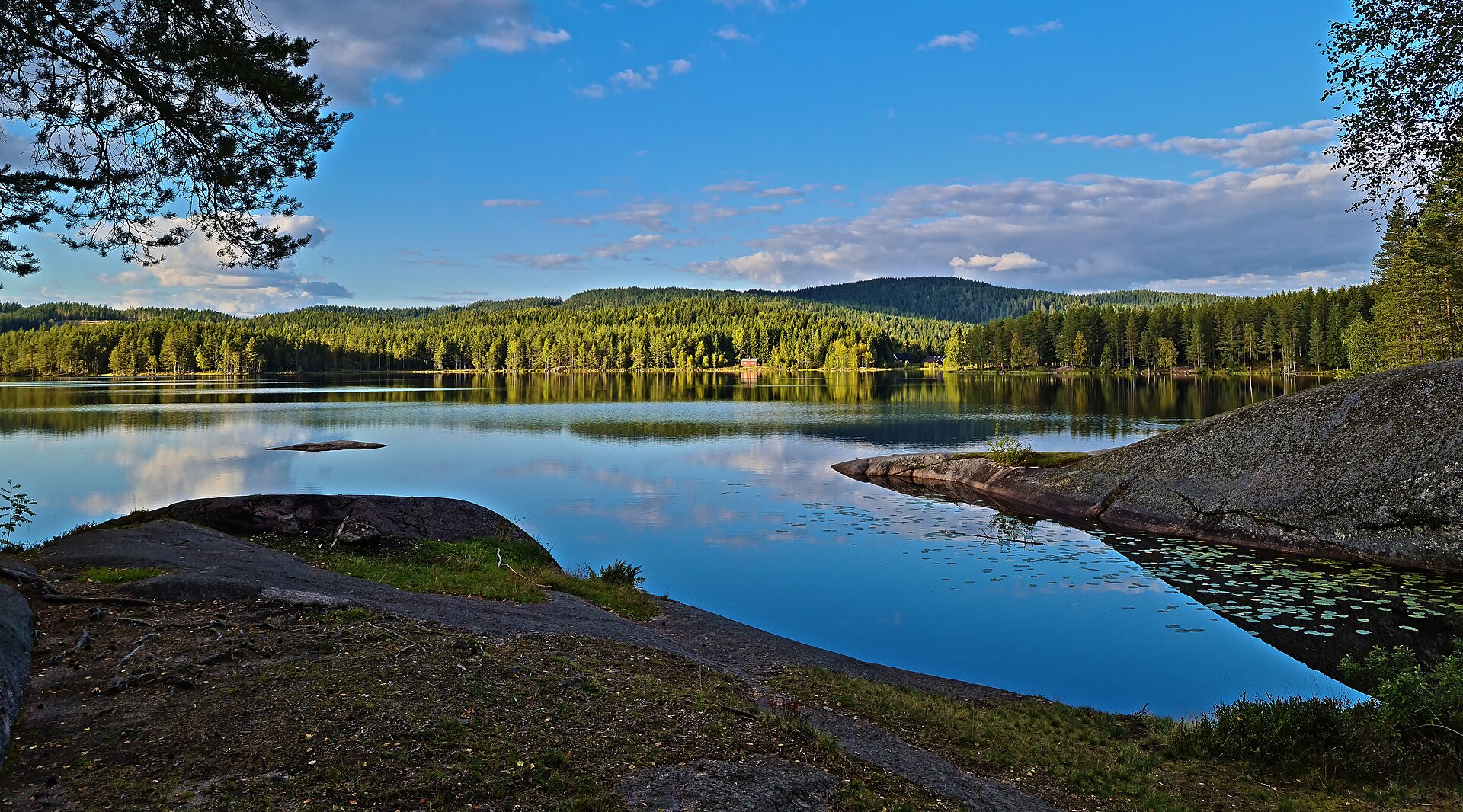
The most-walked path in Oslo this summer isn't one you'll find on a hotel concierge card. It's a 4.7-kilometre loop through Østmarka's western fringe, accessed via a trailhead on Rødtvetveien in Bjerke that most visitors have never heard of. On weekday mornings, it fills with runners, dog walkers, and parents pushing prams, not a tour group in sight.
Oslo's outdoor culture has always punched above its weight for a city of 720,000 people. But this year, a measurable shift is underway. Participation in informal nature walking, tracked loosely by trail counter data from the Norwegian Trekking Association, DNT, which recorded over 3.1 million registered trail uses across Greater Oslo in 2025, has pushed the city's wellness infrastructure beyond its most photographed corners. The summer heat, which hit 27 degrees Celsius across the capital in late June, has accelerated that drift away from crowded central parks toward shade-heavy forest routes that most tourists simply don't know exist.
The Routes Locals Keep to Themselves
Nordmarka gets the press coverage. Oslomarka, taken as a whole, is a 1,700-square-kilometre forest belt encircling the city. But the quieter entry points are the ones worth knowing. The Lillomarka section, reachable by T-bane Line 4 to Vestli station, offers a network of gravel and packed-earth trails through birch and spruce that remain largely tourist-free even on summer weekends. The Hauktjern lake loop, roughly 6 kilometres return, delivers a complete swim-and-hike morning for the price of a transit ticket, around 40 kroner with a Ruter 24-hour pass.
Further south, the Østensjøvannet nature reserve in Østensjø district is a genuinely underrated gem. It's a protected wetland with a flat, 4-kilometre boardwalk circuit that local ornithology groups, including members of Norsk Ornitologisk Forening's Oslo chapter, use for early-morning birdwatching sessions every Saturday from May through August. The terrain is wheelchair accessible and stroller-friendly. Most Tuesday mornings, the whole loop takes 50 minutes and delivers solitude that the Aker Brygge waterfront cannot offer at any hour.
The Grefsenkollen ridge above Grefsen neighbourhood is the third spot regulars cite. A steady 45-minute uphill walk from the Grefsen T-bane stop, Line 4 again, drops you onto an escarpment with views across the Oslofjord that rivals anything the tourist literature photographs from Holmenkollen. A small kiosk operates there through summer weekends, selling coffee for 30 kroner. The trail itself, maintained by the municipality under Oslo Idrettskrets agreements with local sports clubs, is marked clearly but doesn't appear prominently in major international travel apps.
Why It Matters More Than a Nice Walk
The wellness dimension here is not trivial. Research published by the Norwegian Institute of Public Health in 2024 found that adults who engaged in unstructured outdoor movement at least three times weekly reported measurably lower stress-marker scores than those who confined exercise to gyms or paved urban routes. The same study, covering 4,200 Oslo residents over 18 months, flagged forest environments specifically, the so-called skogsluft, or forest air, as a distinct variable rather than exercise alone.
Oslo kommune has invested accordingly. The municipality allocated 48 million kroner in its 2026 budget toward trail maintenance, signage upgrades, and new accessible rest points across Marka entry zones. Friluftsetaten, the city's outdoor recreation authority, published updated trail maps in May 2026 covering 23 previously under-documented routes within 30 minutes of the city centre. The maps are available free at Friluftsetaten's office on Schweigaards gate and downloadable via the Oslo kommune website.
For anyone arriving at these trails for the first time, the practical advice is simple: check trail conditions through the DNT app before departure, particularly after rain, when clay sections near Østmarka turn slick. Bring a water bottle, trailside drinking fountains are rare outside Nordmarka's staffed cabins. And go before 9 a.m. on weekdays if you want the birch canopy to yourself. By 10, even the hidden routes are filling up. That's the thing about a well-kept local secret in a city this active, it doesn't stay a secret past mid-July.