wellness
Walking meditation: how to turn your daily walk into mindfulness
Oslo's trails and parks offer the perfect classroom for one of the oldest stress-reduction techniques going, and you don't need a yoga mat or a studio booking.
How we reported this
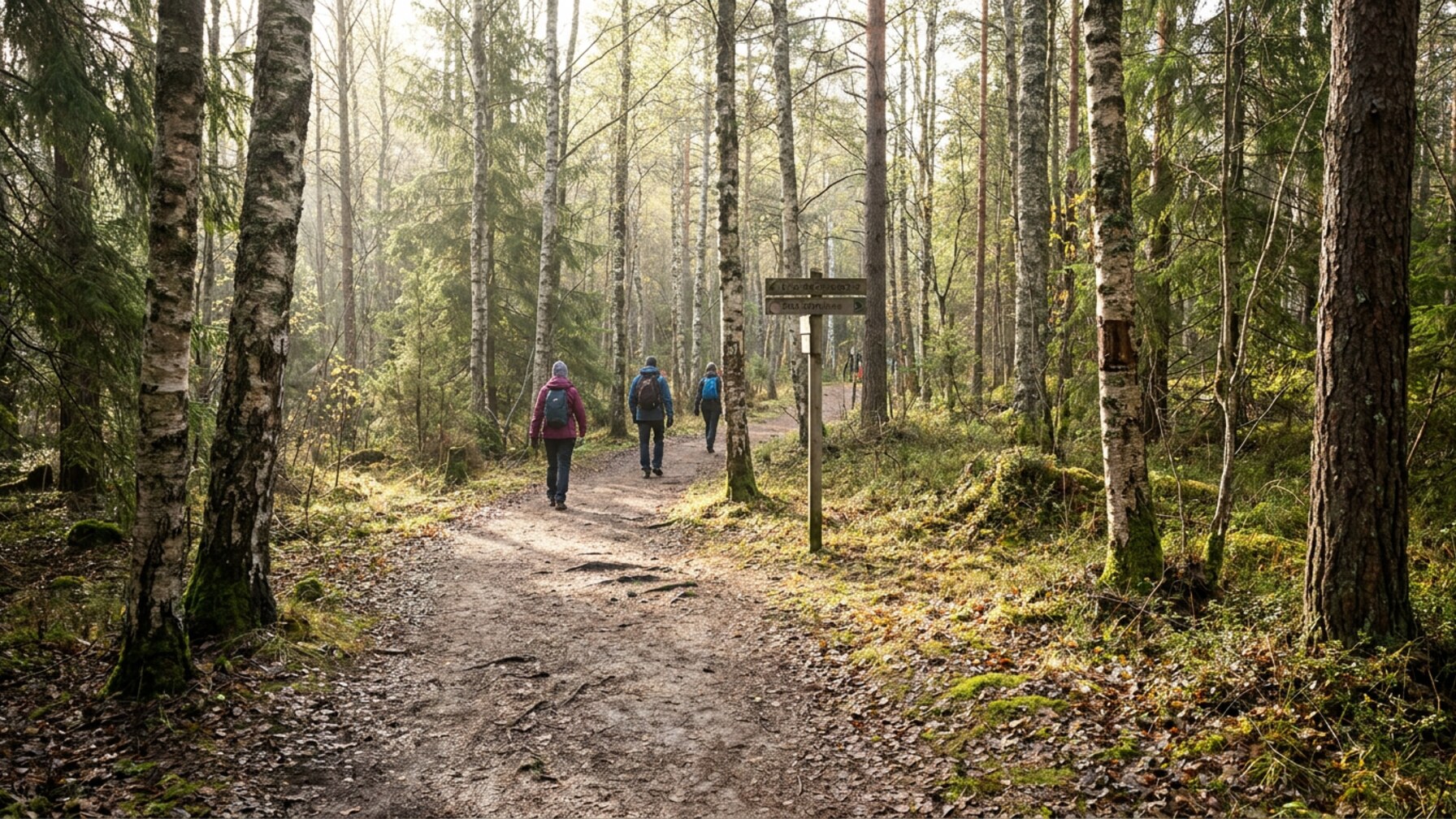
Most people in Oslo already walk. They walk to the T-bane, along Akerselva, up to Holmenkollen on Sunday mornings. What fewer of them do is walk with any real attention. Walking meditation, the practice of anchoring your awareness to each step, breath and sensory detail rather than your phone or a podcast, is drawing serious interest from wellness practitioners across the Norwegian capital this summer.
The timing matters. Hormone health, sleep disruption and burnout have dominated health coverage across Europe in recent weeks, with growing evidence linking chronic stress to everything from cardiovascular risk to cognitive decline. Nordic countries, despite their reputation for balance, are not immune. Statistics Norway reported in its 2025 Levekårsundersøkelse that roughly 14 percent of adults aged 25-44 in Oslo reported persistent symptoms of anxiety or low mood, a figure that has held stubbornly flat since 2022. Structured mindfulness programmes fill up within days of opening registration. Walking meditation is attracting attention precisely because it requires nothing you don't already own.
Where to start, and why Oslo's geography helps
The city is unusually well configured for this kind of practice. Frognerparken, with its 320 acres and the long avenue leading up toward Vigelandsanlegget, gives walkers a route predictable enough to stop thinking about navigation. Predictability is the point: when your body knows the path, your mind can stop managing logistics and start noticing the weight shifting from heel to toe, the sound of gravel underfoot, the specific temperature of a July morning on Bogstadveien before the shops open.
Akerselva, the river that cuts from Maridalsvannet down through Grünerløkka to the fjord, offers a different quality, moving water provides what psychologists call "soft fascination," a gentle, involuntary engagement that quiets the default-mode network without demanding focus. The 8.2-kilometre trail along the river bank is signposted well enough that first-timers won't lose their way, which matters when the goal is to reduce, not multiply, cognitive load.
Mindfulness Centre at the University of Oslo, based at Forskningsveien 3a on Blindern campus, has run eight-week Mindfulness-Based Stress Reduction courses since 2011. Their autumn 2026 cohort opens registration on 15 August and costs 3,200 kroner for the full programme. Instructors there have increasingly incorporated a dedicated walking-practice session into week four of the MBSR curriculum, citing participant feedback that seated meditation feels inaccessible for people with restless or anxious energy. Several private studios in Grünerløkka, including Mellow Yoga on Thorvald Meyers gate, now offer standalone walking meditation workshops priced between 250 and 400 kroner per session, typically held in Sofienbergparken next door.
The technique, stripped back
You do not need instruction to begin. Pick a stretch of 20 to 50 metres, the path beside Sognsvann lake works well, and walk it slowly, back and forth, for ten minutes. Place your hands loosely at your sides or clasped behind your back. Fix your gaze about two metres ahead, soft rather than searching. With each step, mentally note "lifting, moving, placing" as the foot rises, travels and lands. When your attention drifts, to a dog, a conversation fragment, tomorrow's meeting, simply note "thinking" and return to the foot.
That is it. The practice has roots in Theravāda Buddhist tradition going back roughly 2,500 years, but the clinical version used in MBSR strips the religious scaffolding entirely. A 2023 meta-analysis published in the journal Mindfulness covering 38 randomised controlled trials found that walking-based mindfulness interventions produced a statistically significant reduction in self-reported stress scores (standardised mean difference of -0.61) compared with unstructured walking alone.
Ten minutes three times a week is a reasonable starting target. Build to twenty minutes and the benefits compound: lower resting heart rate, improved sleep onset, reduced rumination. Oslo's light in early July, sunrise before 4 a.m., sunset after 10 p.m., means there is no shortage of hours. The Nordmarka trails north of Frognerseteren are open and largely empty before 7 a.m. The Aker Brygge waterfront is best in the early evening when the tourist foot traffic thins. Choose your route, leave your earbuds at home, and walk as if the ground itself is worth paying attention to, because it is.