wellness
Oslo's Fermented Food Scene Transforms Local Gut Health Practices
From Grünerløkka kombucha bars to Mathallen's kimchi stalls, Oslo's fermented food scene is thriving, and your microbiome may thank you for it.
How we reported this
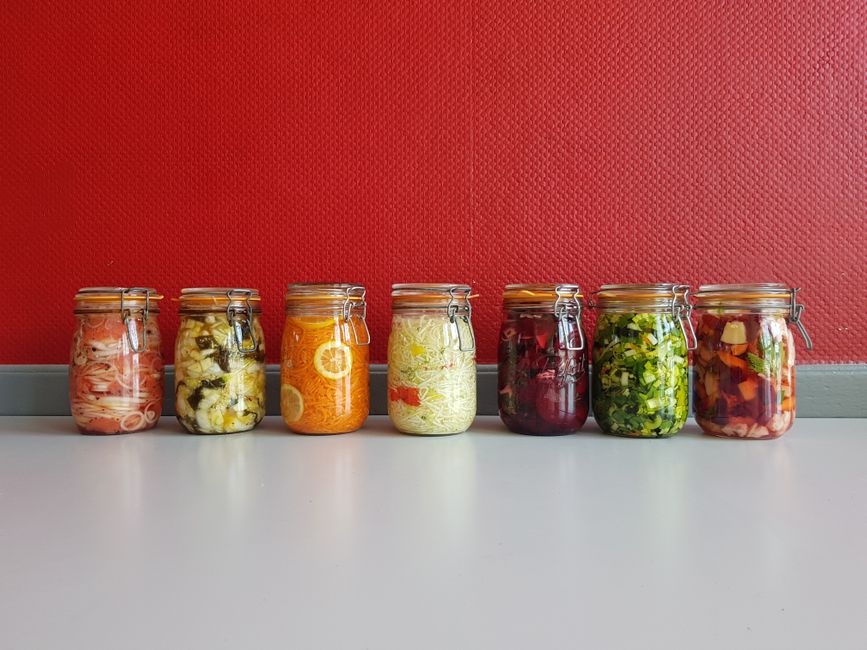
Sales of fermented foods at Oslo's Mathallen food hall on Vulkan have climbed roughly 30 percent since January, according to vendors at the market, making gut health one of the clearest wellness trends the capital has seen since the oat milk surge of 2019. Shoppers are loading baskets with kimchi, kefir, and kvass. The question is whether the hype has outrun the science, and where to shop if you want the real thing.
Hormone health coverage elsewhere in Europe has pushed readers toward gut-related research this summer, and Norwegian gastroenterologists have noticed the uptick in patient questions. The gut microbiome, the roughly 38 trillion bacteria living in your digestive tract, is now understood to influence everything from immune response to mood regulation. A 2023 meta-analysis published in Cell found that a diet rich in fermented foods increased microbiome diversity in participants within just ten weeks. That data has filtered into mainstream consciousness, and Oslo's food producers are meeting the demand.
Where to find the good stuff in Oslo
Mathallen at Vulkan 5 remains the most concentrated source. The stall Smakt, which has operated there since 2017, sells raw-fermented sauerkraut and beet kvass for around 89 to 120 kroner per 500ml jar. The owner sources cabbage from farms in Østfold, keeping the supply chain local. Two stalls east, a Korean-Norwegian outfit called Kkot sells unpasteurised kimchi, the pasteurised supermarket version destroys most of the live cultures, so the distinction matters.
Over in Grünerløkka, the café and fermentation studio Kefiriet on Thorvald Meyers gate has built a following since opening its second location in March 2025. They sell house-made water kefir and dairy kefir by the litre, and run weekend workshops, 450 kroner for a three-hour session, where participants learn to make their own SCOBY cultures at home. The neighbourhood's density of health-conscious residents has made it a natural fit; foot traffic at the studio reportedly doubled between January and May 2026.
Meny and Coop Extra branches across the city now stock commercially produced kombucha and kefir, but labels require scrutiny. Look for the words upasteurisert (unpasteurised) and levende kulturer (live cultures). If neither phrase appears, the probiotic benefit is minimal. GT's Kombucha, widely stocked at Meny Aker Brygge, does carry live cultures and retails at around 59 kroner for 480ml.
What the evidence actually says
The science is real but specific. Fermented foods help most people who eat them consistently over weeks, not occasionally. A Stanford University study from 2021, still widely cited in clinical nutrition circles, put 36 adults on a high-fermented-food diet for 17 weeks and found measurable increases in microbiome diversity alongside reduced inflammatory markers. The same study noted that high-fibre diets alone did not produce the same microbiome effect without the fermented component.
Norwegian dietary guidelines, last updated by the Directorate of Health in 2024, do not yet make specific recommendations about fermented foods beyond general dairy and fibre guidance, though a revision is expected before the end of 2027. In the meantime, registered dietitians at OsloMet's health clinic on Pilestredet advise treating fermented foods as a complement to vegetables and whole grains, not a replacement for either.
If you are new to all of this, start small. A 100ml serving of kefir daily for two weeks is a reasonable entry point. Move up to including sauerkraut with a meal three times a week. Cost is manageable, a committed weekly fermented-food routine at Mathallen or Kefiriet runs about 200 to 300 kroner, less if you make your own after a workshop. Anyone with inflammatory bowel disease or immune complications should speak with a gastroenterologist at Oslo Universitetssykehus before making significant dietary changes. The rest of us have very little to lose by adding a jar of Østfold sauerkraut to the shopping run.