wellness
Oslo Workers Cut Stress With Five Science-Backed Techniques
As Oslo workers report rising anxiety levels heading into summer, researchers say the tools to manage it are simpler, and more accessible, than most people think.
How we reported this
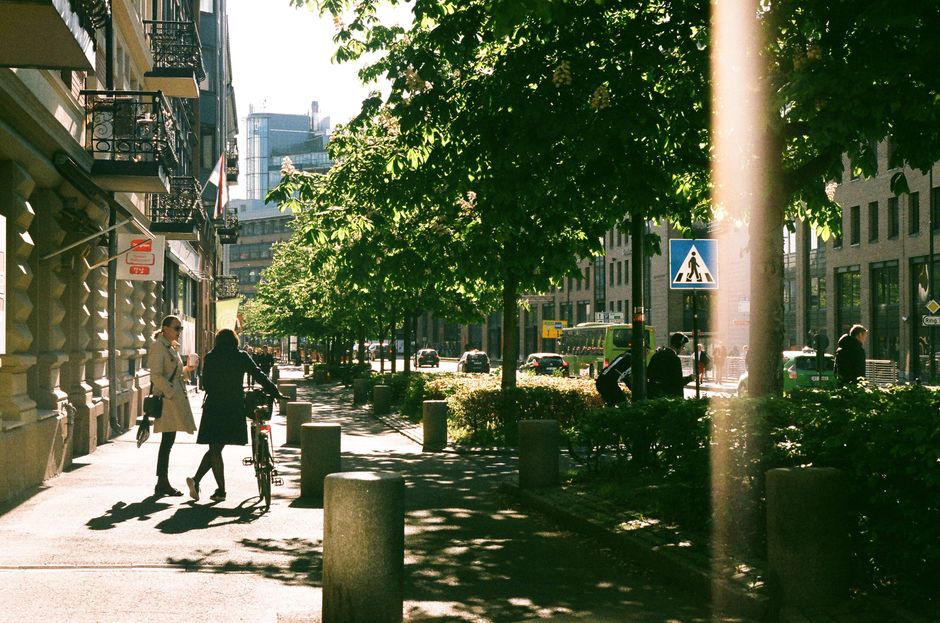
Chronic stress is getting worse, not better. A 2025 report from the Norwegian Institute of Public Health found that 34 percent of adults aged 25 to 44 in Oslo reported feeling persistently stressed in the preceding month, a four-point rise from 2022. The numbers land at a moment when the city's mental health clinics are stretched thin and waiting times at Diakonhjemmet Hospital's outpatient psychiatric unit have climbed past 12 weeks for non-urgent referrals.
The timing has prodded researchers, GPs and community wellness coordinators to look harder at what people can actually do themselves, right now, without a prescription or a six-month waiting list. The evidence, it turns out, is cleaner than the wellness industry would like you to believe. Five techniques keep showing up in peer-reviewed literature, and all five are practicable in a city that already runs cold-water swimming clubs off the Langøyene ferry pier.
What the science actually says
The most robust finding in stress research over the past decade is straightforward: controlled breathing works fast. The physiological sigh, two sharp inhales through the nose followed by a long exhale through the mouth, activates the parasympathetic nervous system within seconds. A Stanford University study published in Cell Reports Medicine in January 2023 found participants who practised it for five minutes daily for a month showed significantly lower anxiety scores than those who used mindfulness apps. You can do it on the 37 tram between Majorstuen and Nationaltheatret.
Second: cold-water exposure. Oslo's swimming culture makes this unusually accessible. Frognerbadet, the outdoor pool in Frogner Park, runs cold plunge sessions through summer, and the volunteer-run Kjerringholmen Badeforening on the western shore of the Oslofjord opens for morning dips from 06:30. Research published in the Scandinavian Journal of Medicine & Science in Sports in 2024 found that three sessions per week of cold-water immersion below 15°C reduced self-reported stress by 27 percent over six weeks.
Third: structured movement, not punishing workouts, but consistent moderate activity. The Oslo Hiking Association, Oslofjord Turlag, maintains 2,600 kilometres of marked trails in the Nordmarka and Oslomarka forests directly accessible by the Sognsvann metro line. Thirty minutes of brisk walking in green space three times a week was linked to a 20 percent reduction in cortisol levels in a 2024 University of Oslo study involving 412 participants recruited through the city's district health centres.
Fourth: sleep hygiene, which researchers increasingly treat not as a lifestyle suggestion but as a clinical intervention. The specific mechanism matters: keeping wake time fixed, not bedtime, is the lever most people are missing. The Norwegian Sleep Centre in Ullevål recommends anchoring your alarm to a consistent time seven days a week, even after a bad night, to stabilise the circadian rhythm within two to three weeks.
Fifth: social engagement with structure. Passive scrolling does not count. The city's Frivillighetssentraler, community volunteer centres, with branches in Grünerløkka, Sagene and St. Hanshaugen, run weekly in-person group programmes. Participating in a structured group activity at least once a week was associated with lower perceived stress in a 2023 Norwegian Health Directorate survey of 6,800 Oslo residents.
Getting started without spending much
Cost is a real barrier for some. Most of these techniques are free or close to it. Frognerbadet charges 95 kroner for a day pass. The Oslomarka trails cost nothing. The Frivillighetssentraler programmes are free to participants. The physiological sigh costs nothing but thirty seconds and a seat on the metro.
GPs at Grünerløkka Legesenter have begun issuing what the sector calls «grønn resept», green prescriptions, referring patients to specific outdoor activities rather than immediately escalating to medication or referral. The programme, formalised nationally by the Norwegian Directorate of Health in 2021, is available through most fastlege surgeries and worth asking about at your next appointment. If daily stress is acute or worsening, your fastlege remains the right first call. But for the background hum of modern anxiety, the evidence says you don't have to wait for an appointment to start.