wellness
The Science Behind Mindfulness: What It Actually Does to the Brain
New neuroscience is giving Oslo's growing meditation culture something concrete to stand on, here's what happens inside your skull when you sit down and breathe.
How we reported this
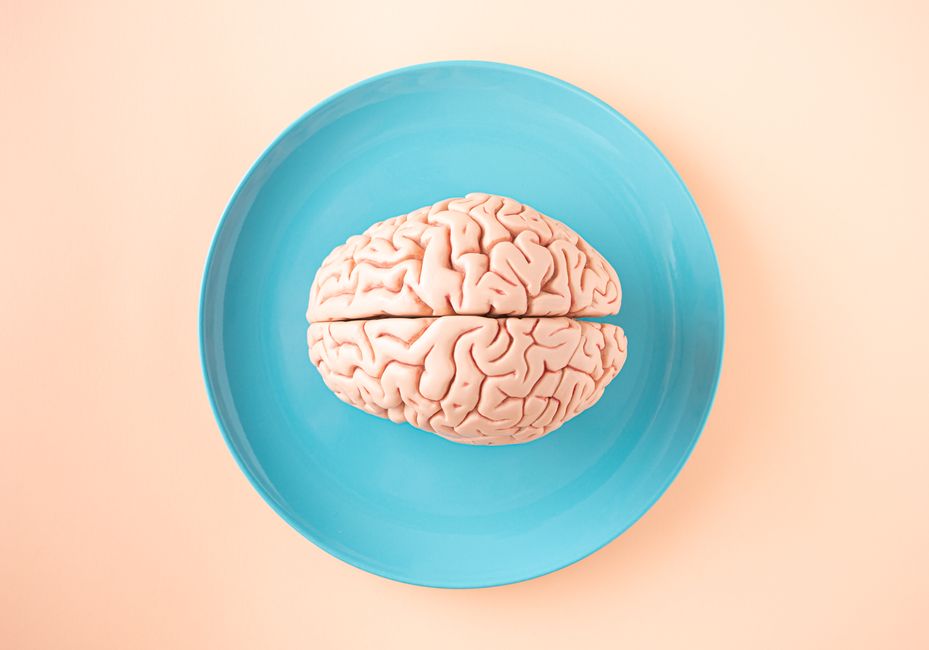
Eight weeks. That is all it takes for a structured mindfulness programme to produce measurable changes in grey matter density in the hippocampus, the brain region most associated with learning and emotional regulation. The finding, drawn from landmark research at Harvard Medical School and replicated in several European studies since, has shifted mindfulness from self-help shelves into clinical neuroscience, and Oslo's wellness community is paying close attention.
The timing matters. Across Norway, reported rates of occupational stress and anxiety-related sick leave have climbed steadily since 2022, according to figures published by NAV, the Norwegian Labour and Welfare Administration, in its 2025 annual report. One in four Norwegian workers reported burnout symptoms last year. Against that backdrop, meditation is no longer a niche pursuit for the Grünerløkka yoga crowd. It has become a public health question.
What the Research Actually Shows
The brain changes that neuroscientists document fall into two broad categories: structural and functional. On the structural side, regular meditators show increased cortical thickness in the prefrontal cortex, the area governing attention, decision-making and impulse control. On the functional side, fMRI studies consistently show reduced activity in the default mode network, the system that fires when the mind wanders into rumination. That wandering, researchers argue, is precisely what drives anxiety and low mood.
The amygdala tells the story most dramatically. This almond-shaped cluster deep in the temporal lobe acts as the brain's alarm system. Studies published in the journal Social Cognitive and Affective Neuroscience found that participants who completed an eight-week Mindfulness-Based Stress Reduction (MBSR) course showed a statistically significant reduction in amygdala grey matter density, meaning the alarm system, over time, gets quieter. Crucially, those structural shifts correlated directly with self-reported reductions in stress, not just immediately after sessions but months later.
One variable that researchers are still unpicking is dosage. A 2024 meta-analysis from the University of Oxford examined 136 randomised controlled trials and concluded that 13 minutes of daily practice produced measurable cognitive benefits within four weeks. More is not always better: participants who meditated for 45 minutes or more daily showed diminishing returns on attention tasks.
Where Oslo Is Taking This Seriously
Oslo Centre for Mindfulness, based near Majorstuen, runs eight-week MBSR courses certified to the international standards set by the Center for Mindfulness at UMass Medical School. A full course costs 3,900 kroner as of July 2026 and includes weekly two-hour group sessions plus a one-day silent retreat. Waiting lists for autumn cohorts are already forming.
At Ullevål University Hospital, the Department of Psychiatry has integrated mindfulness-based cognitive therapy (MBCT) into its treatment protocols for recurrent depression since 2021. The programme targets patients who have experienced three or more depressive episodes, a group for whom MBCT has shown efficacy rates comparable to maintenance antidepressant medication in several Scandinavian trials.
For those not ready for clinical settings, Sats gyms across the city, including the large Torshov location, introduced dedicated mindfulness studio sessions in January 2026. Monthly membership at 549 kroner includes access to those classes, which run three mornings a week before 8am. Instructors there are trained through the Norwegian Mindfulness Association, Norsk Forening for Mindfulness, which has issued practitioner certifications to over 400 instructors nationwide.
The practical advice from the neuroscience is blunter than most wellness marketing admits: consistency matters far more than duration. A daily ten-minute session anchored to an existing habit, morning coffee, the tram ride on line 19 toward Rikshospitalet, builds the neural pathways more reliably than sporadic hour-long sessions. Body scan and breath-focused practices show the strongest evidence base for stress reduction specifically, while open-monitoring meditation, where you observe thoughts without directing attention, shows stronger links to creativity and cognitive flexibility.
Anyone considering MBSR or MBCT as a response to clinical symptoms, persistent anxiety, recurring depression, chronic pain, should speak with their fastlege, their GP, before enrolling. The science is solid. The entry point, for most people in Oslo, is closer and cheaper than they probably realise.
This article was compiled by AI and screened before publishing. See our editorial standards.