Politics
Oslo Voters Decide on Municipal Fee Caps for Waste, Water, Transit
The ballot measure would set limits on annual rises in Oslo city charges for waste, water and transit, altering direct costs paid by households in the capital.
Listen in English · 3 min
How we reported this
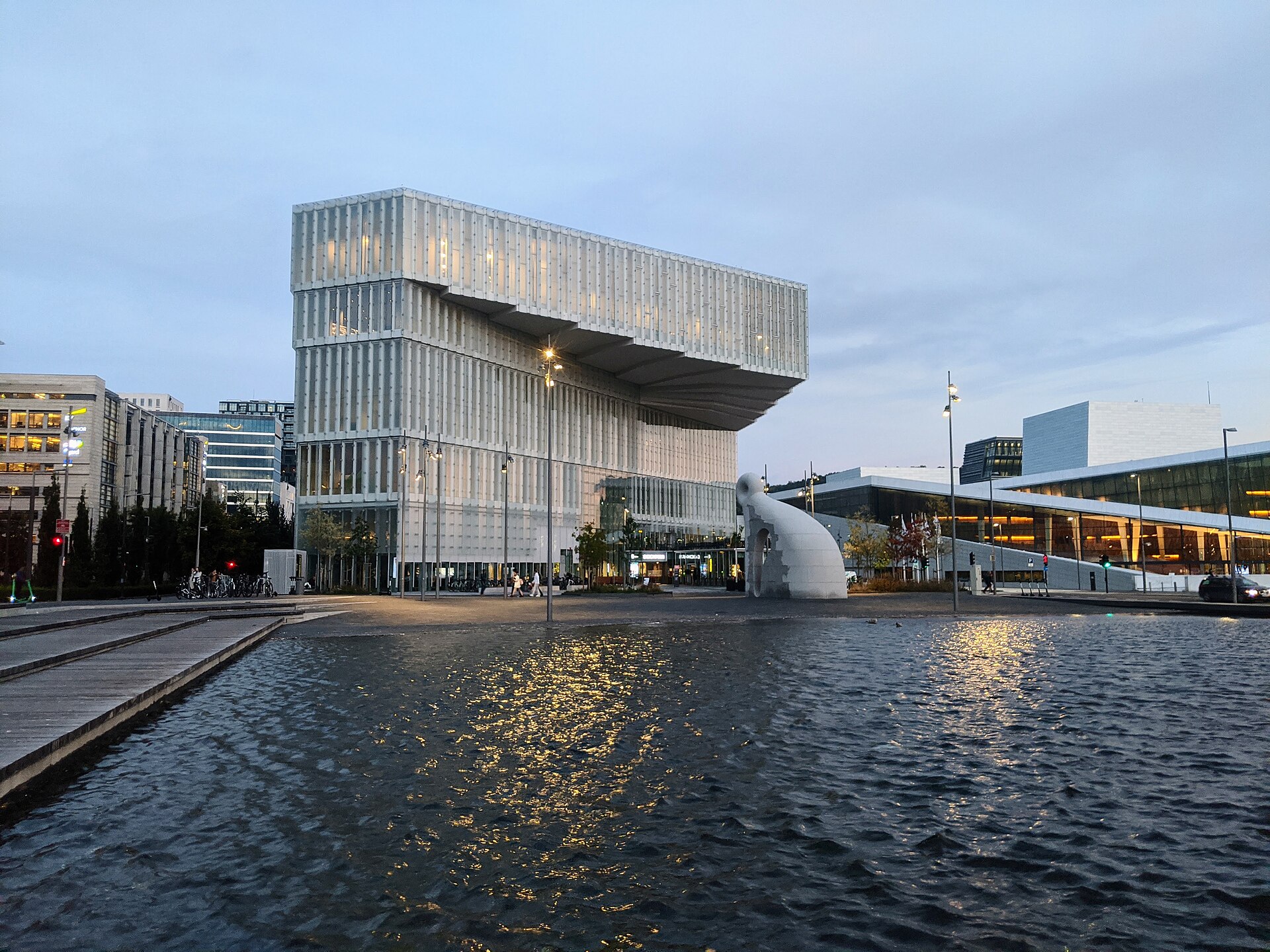
Oslo residents will vote in September on a referendum that proposes capping increases in municipal service fees at the rate of general inflation for the next three years. The measure, placed on the ballot by the city council after a petition drive, would apply to charges collected directly by the municipality for household waste collection, water supply and public transport passes within city limits.
Background on the referendum process
The proposal follows Oslo's annual budget process, in which service fees are reviewed each autumn against revenue needs for infrastructure maintenance. City records show that fee-setting authority rests with the municipal government under national local government legislation, separate from national tax policy. Voters in all 15 boroughs are eligible to participate, with the outcome binding on the city executive for the 2027-2029 period if approved.
Local households would see the change reflected in quarterly bills issued by Oslo Kommune. A family in the Grünerløkka district, for example, would continue paying the current base rate for waste and water services without an additional adjustment tied to specific cost escalations in those categories. Public transport users holding monthly cards issued through Ruter would face the same cap on any fare component collected by the city.
Budget figures and resident examples
Oslo's 2026 budget papers list total fee revenue from household services at 4.2 billion kroner, covering operations in the water and sanitation departments. The referendum text states that future adjustments must stay within Statistics Norway's consumer price index measure, rather than department-specific cost indices. Policy analysts note this would tie the city's revenue path to a single published national index released each month.
Implementation would begin with the January 2027 billing cycle if the measure passes. The city administration has stated that existing contracts for waste hauling and water treatment would remain in force, with any shortfall addressed through general fund transfers already authorised in the multi-year financial plan. Residents would receive advance notice of their adjusted amounts on the December statements mailed to every property address.
Ballots will be mailed to registered voters by 1 September, with results certified by the electoral board within ten days of the close of polls. If rejected, the city council retains its usual authority to set fees through the ordinary budget vote scheduled for December.