culture
Oslo's essential museums: a guide for first-time visitors
From Edvard Munch to the polar ship Fram, the capital packs remarkable collections into a walkable core.
How we reported this
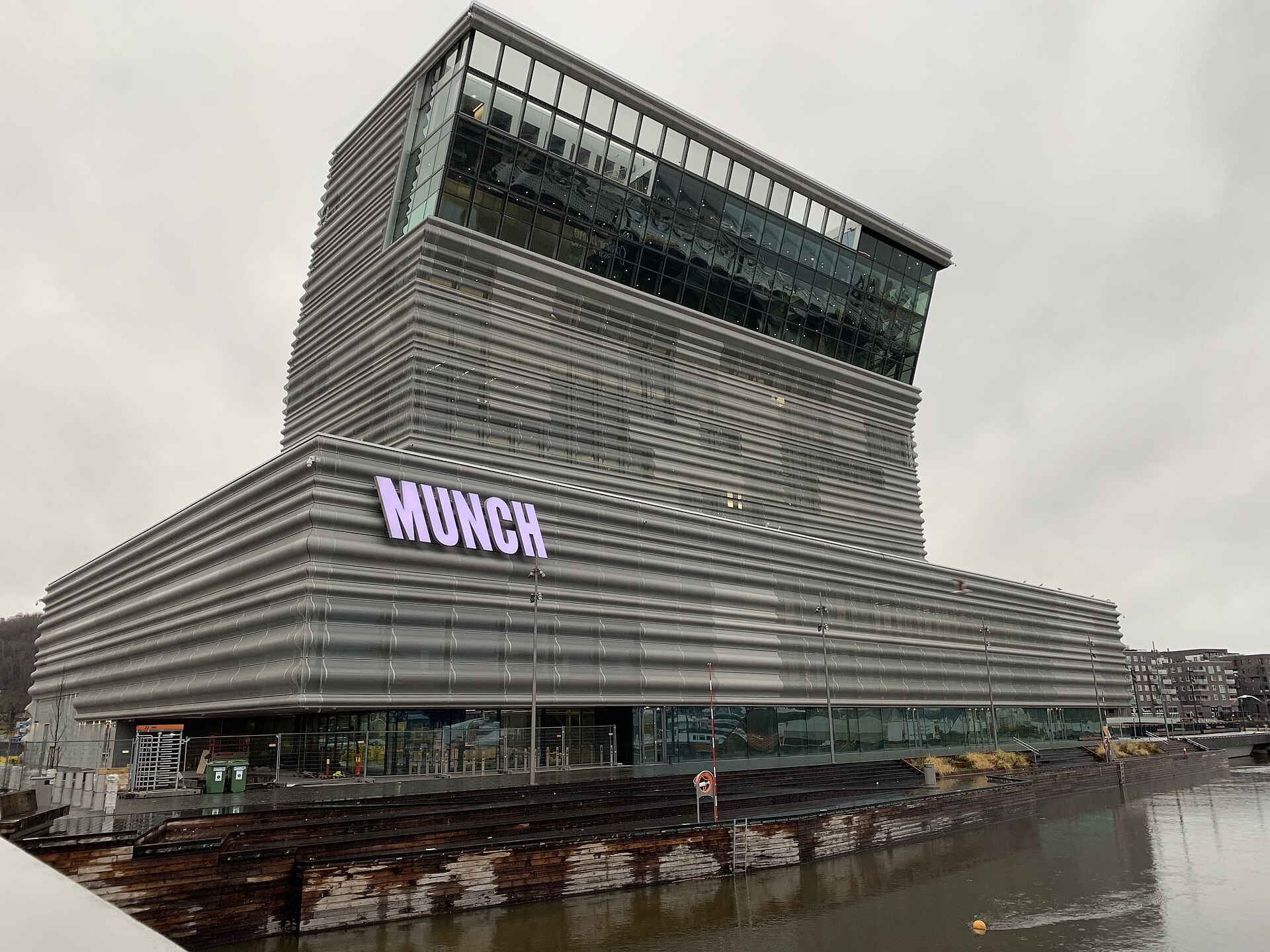
For a city of its size, Oslo has an unusually strong museum offer, and most of the headline institutions can be reached on foot or with a short tram or ferry ride. First-time visitors often try to see too much in a day; a better approach is to pick one waterfront museum and one on the Bygdøy peninsula and give each the time it deserves.
The Munch museum
Edvard Munch is Norway's most famous artist, and the museum dedicated to his work moved into a striking tall building in the Bjørvika waterfront district. The collection spans far more than the celebrated motif most people know, tracing his career across painting, printmaking and photography, with rotating displays drawn from the enormous holdings he left to the city.
The National Museum
A short walk to the west, the National Museum brings together Norway's public collections of art, architecture and design under one roof near the city hall. It is the largest museum of its kind in the Nordic region and is the place to see historic Norwegian painting alongside international works and design galleries.
Bygdøy's maritime cluster
The Bygdøy peninsula, reached by bus or by the seasonal museum ferry, is home to a cluster of collections that reflect Norway's seafaring history. The Fram museum is built around the polar exploration ship Fram, which carried expeditions into both the Arctic and Antarctic, and its neighbours cover maritime history and the Kon-Tiki voyages. The nearby folk museum presents open-air buildings from across the country, including a medieval stave church.
Planning your visit
Opening hours vary by season, and several museums are busiest in the middle of the day, so arriving early or late tends to be more relaxed. Admission is charged in kroner, and combined passes can reduce the cost if you plan to see several institutions. Checking each museum's official website before setting out is the surest way to confirm current hours and any temporary closures. Most of the central museums lie within a short walk of one another, so a relaxed itinerary can comfortably take in the waterfront collections in a single day and save the Bygdøy peninsula for another, when the seasonal ferry is running and the open-air folk museum can be enjoyed at a slower pace.