lifestyle
Getting around Oslo: a public transport guide for newcomers
Trams, metro, buses and ferries all run on one ticket. Here is how the Oslo network fits together.
Listen in English · 3 min
How we reported this
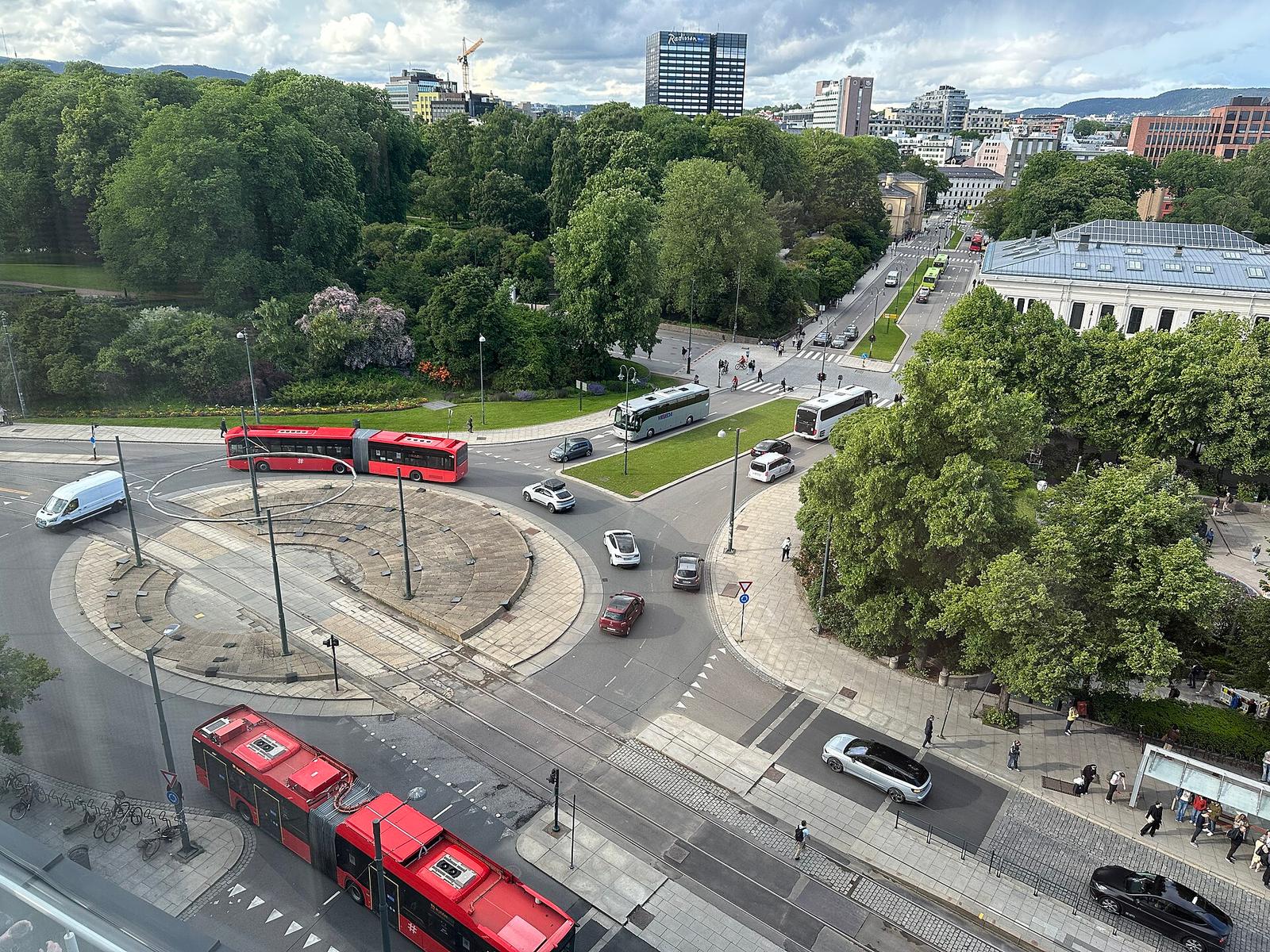
One of the first things newcomers notice about Oslo is how easy it is to move around without a car. The regional transport authority, Ruter, runs an integrated network of metro, tram, bus and ferry services across the city and the surrounding county, all on a single zone-based ticket. Understanding that system early makes settling in far simpler.
The metro, trams and buses
The metro, known locally as the T-bane, is the backbone of the network. Five lines converge through the centre and then branch out towards the suburbs and the forest edge, so a single line can take you from the city core to a trailhead in under half an hour. Trams cover the denser inner districts such as Grünerløkka, Frogner and Majorstuen, while buses fill in the gaps and reach areas the rails do not. Services are frequent on weekdays and run reduced timetables at night.
Ferries on the fjord
Oslo's public ferries are part of the same ticketing system, which surprises many visitors. In the warmer months the island boats from the city hall quays are one of the cheapest ways to enjoy the Oslofjord, since a standard public transport ticket covers the crossing to islands such as Hovedøya and Gressholmen.
Tickets and zones
Fares are organised by zones, with most everyday journeys inside the city falling within a single zone. Tickets are usually bought through the Ruter app, at machines or at kiosks, and prices are set in Norwegian kroner. Single tickets are valid for a fixed time window during which you can transfer between modes, and multi-day and monthly passes offer better value for regular travel. Always have a valid ticket before boarding, as inspectors carry out spot checks and issue fines.
Cycling and walking
Beyond public transport, Oslo is compact enough that walking covers much of the centre, and the city has expanded its cycle lanes and its seasonal city-bike scheme in recent years. For most residents the practical answer is a combination: a monthly transport pass for longer trips, and feet or a bike for everything close to home.