culture
Oslo's Top Cultural Landmarks: Must-See Highlights for Visitors
From the iconic waterfront silhouette of the MUNCH museum to the historic preservation of Bygdøy, Oslo’s art scene remains a focal point for international travelers.
How we reported this
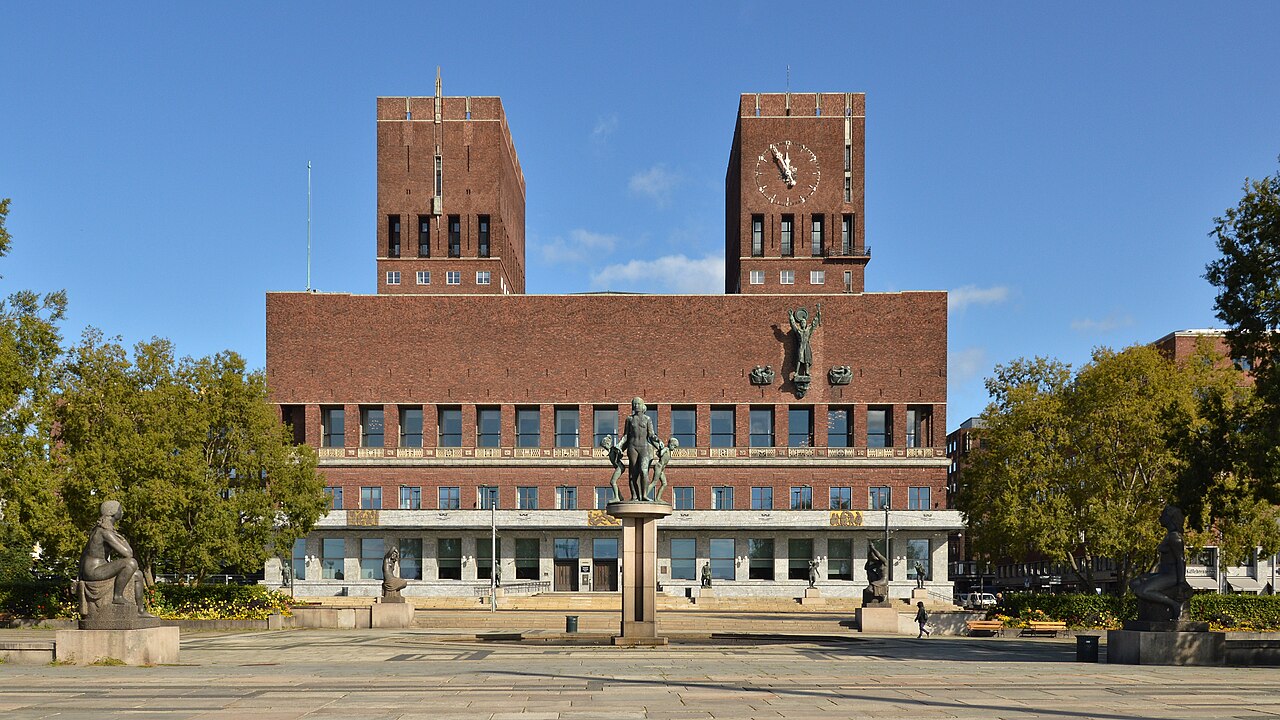
Oslo’s museum district is seeing a significant shift in visitor demographics this summer, as cultural tourists increasingly prioritize the Bjørvika waterfront and the western peninsula of Bygdøy. For those arriving in the Norwegian capital, navigating the city's diverse institutions requires a balance between the hyper-modern architectural statements dominating the harbor and the traditional maritime heritage preserved just a short ferry ride from City Hall.
The Waterfront Transformation and MUNCH
The skyline of Bjørvika has been fundamentally reshaped by the MUNCH museum, a structure that now serves as the centerpiece of Oslo's art offerings. Located on Edvard Munchs Plass, the museum houses the world's most comprehensive collection of the artist's works, including multiple versions of The Scream. Visitors should note that the museum’s vertical layout is designed to guide guests through thematic transitions, moving from early impressionist influences to the raw, psychological depth of his later years. The institution functions not merely as a gallery, but as a site-specific examination of Norwegian identity, situated directly adjacent to the Oslo Opera House.
Across the harbor, the National Museum-Nasjonalmuseet-offers a starkly different experience. It serves as the primary repository for Norway’s national art history, spanning from medieval tapestries to contemporary design. The sheer scale of the building, located near Aker Brygge, means that a single visit often requires strategic selection of galleries. The Light Hall, a dedicated space for temporary exhibitions, has recently become a destination for international touring installations that contrast sharply with the permanent collection housed in the lower tiers.
Practical Guidance for the Season
While access to the city’s major galleries is facilitated by the Oslo Pass, travelers are encouraged to verify current entry requirements, as seasonal capacity limits are strictly enforced during the peak summer months. According to the official Oslo Pass pricing guidelines for the current season, a 24-hour adult pass provides entry to over 30 museums and attractions, including the Fram Museum and the Kon-Tiki Museum on Bygdøy. Purchasing these passes online prior to arrival remains the most efficient way to secure entry, as ticket booths at popular landmarks like the Viking Ship Museum site or the Norsk Folkemuseum can experience significant queues by mid-morning.
For those planning their itinerary, prioritize early morning visits to the Bygdøy peninsula. The ferry service departing from Rådhusbrygge 3 offers consistent transit to the museum area. Keep in mind that while some galleries offer extended evening hours, institutional operations throughout Oslo generally align with standard business schedules. Check the official Visit Oslo directory or the individual websites of the Munchmuseet and Nasjonalmuseet for updates on exhibition rotations or temporary closures related to maintenance.