courts
Oslo Courts Handle Surge in Environmental and Climate Cases
A growing number of environmental cases are being heard in Oslo's courts, with a focus on climate change and pollution.
How we reported this
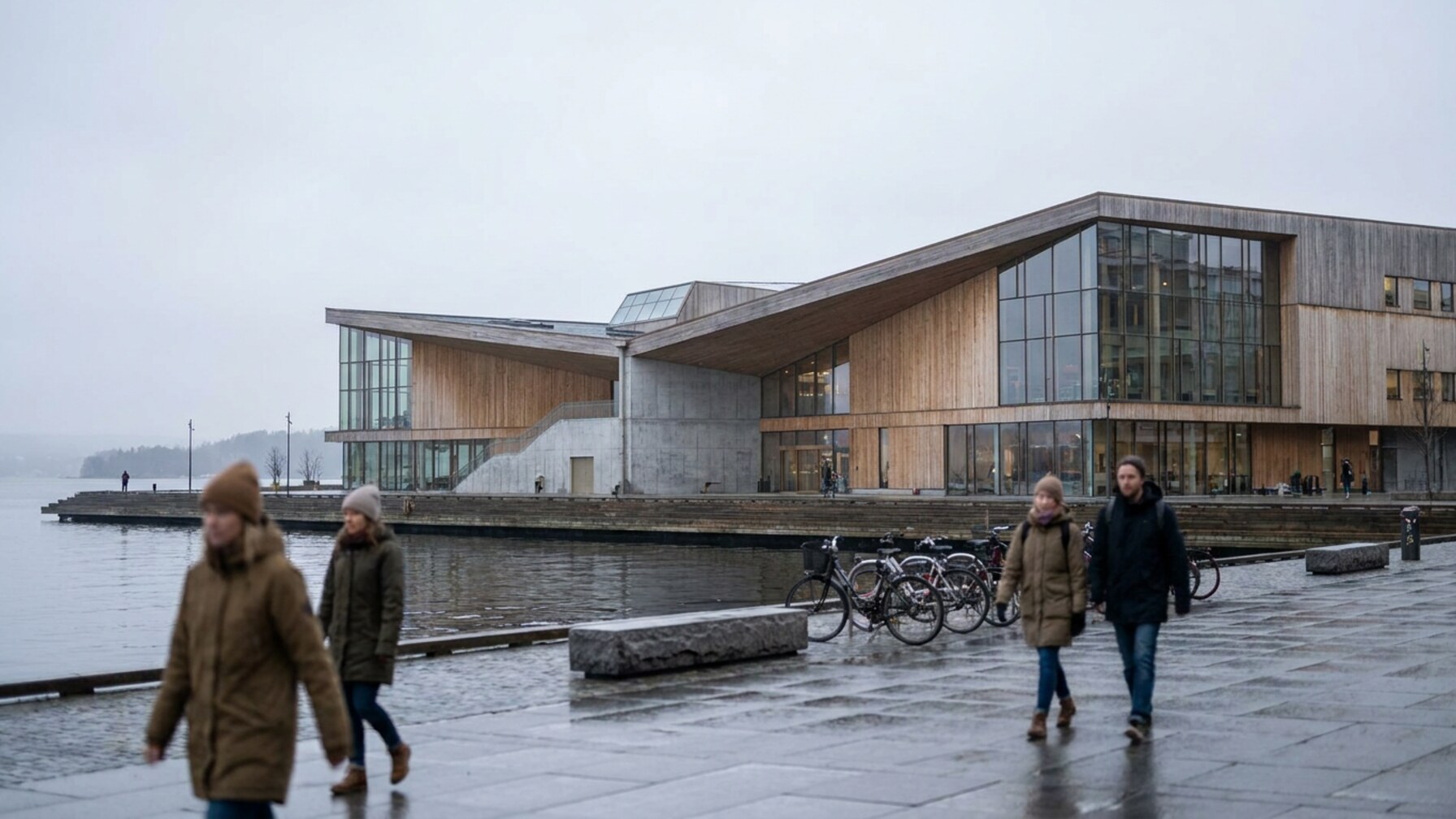
The Oslo District Court has reported a significant increase in environmental cases over the past year, with 25 cases related to climate change and pollution being heard in the first six months of 2026. This trend is expected to continue, with several high-profile cases scheduled to be heard in the coming months.
The rise in environmental cases in Oslo's courts is a reflection of the growing concern about climate change and pollution in the city. Oslo has set ambitious targets to reduce its carbon emissions and become a more sustainable city, and the courts are playing an increasingly important role in enforcing environmental regulations and holding individuals and companies accountable for their actions. The city's goal to become carbon neutral by 2030, as outlined in the Oslo Climate Strategy, has led to increased scrutiny of environmental practices and a growing number of cases being brought to court.
In Oslo, the increase in environmental cases is being felt in neighborhoods such as Grünerløkka and Frogner, where residents are increasingly taking action against pollution and climate change. The Oslo Municipality's Environmental Agency, located on Grev Wedels plass, is working closely with the courts to prosecute cases related to environmental crimes, such as the recent case against a construction company for violating pollution regulations in the Akerselva river. The University of Oslo's Faculty of Law, located on Karl Johans gate, is also playing a key role in shaping environmental law and policy in the city, with several researchers and professors serving as expert witnesses in environmental cases.
Environmental Cases on the Rise
According to data from the Norwegian Judiciary Administration, the number of environmental cases heard in Oslo's courts has increased by 30% over the past year, with 50 cases related to climate change and pollution being heard in 2025. The majority of these cases, 60%, were related to pollution, while 30% were related to climate change. The average cost of an environmental case in Oslo's courts is around 250,000 Norwegian kroner, with some cases costing as much as 1 million kroner. For example, a recent case against a company for violating pollution regulations in the Oslofjord resulted in a fine of 500,000 kroner.
As the number of environmental cases continues to rise, residents and businesses in Oslo can expect to see increased scrutiny of their environmental practices. The city's courts are taking a proactive approach to enforcing environmental regulations, and individuals and companies found to be violating these regulations can expect to face significant fines and penalties. The Oslo Municipality's Environmental Agency is offering guidance and support to residents and businesses to help them comply with environmental regulations, and the University of Oslo's Faculty of Law is providing training and education on environmental law and policy. By taking steps to reduce their environmental impact, residents and businesses can help to mitigate the risks associated with environmental cases and contribute to a more sustainable future for Oslo.