lifestyle
Best neighbourhoods to live in Oslo: a newcomer's guide
From lively Grünerløkka to leafy Frogner, a practical look at where to settle in the Norwegian capital.
How we reported this
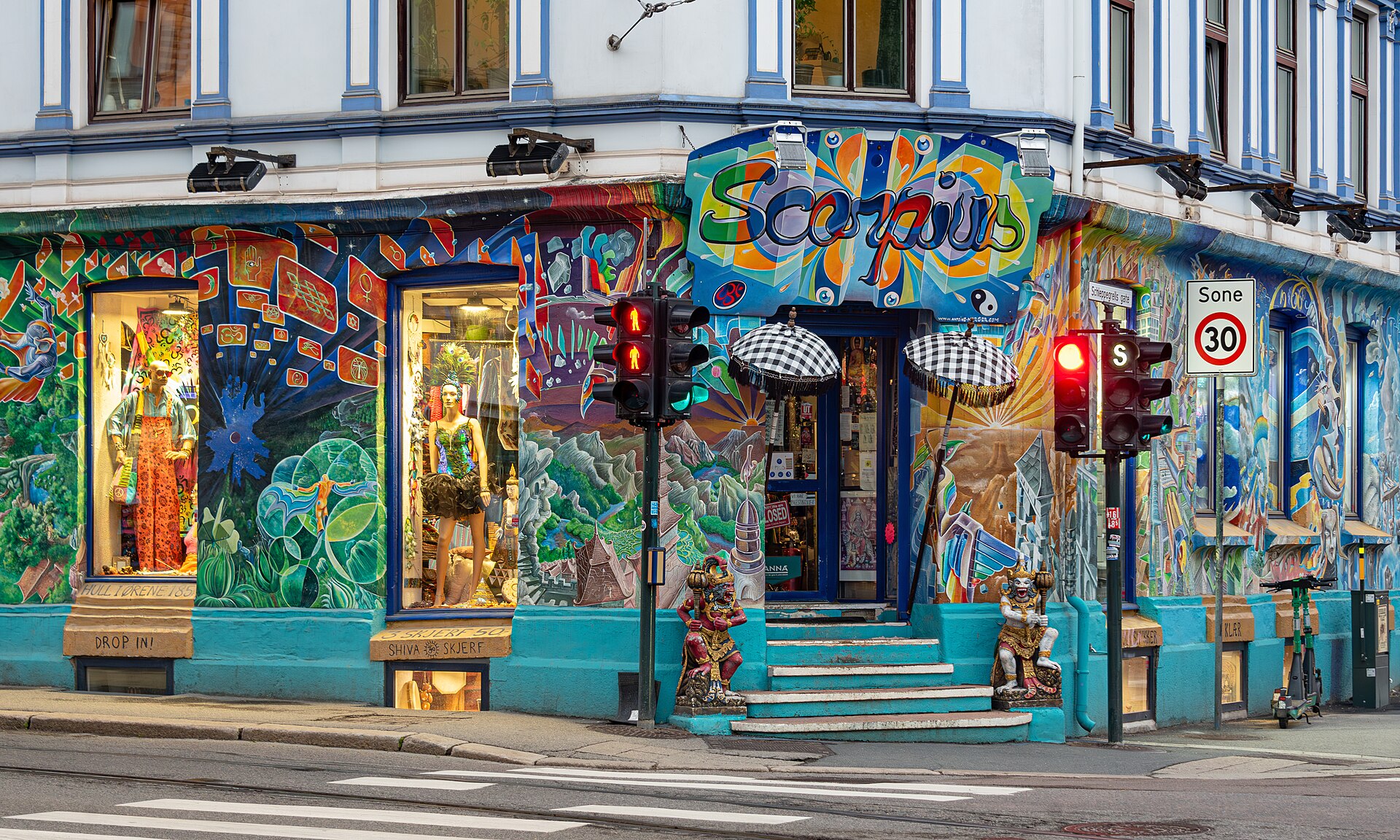
Oslo is one of Europe's smaller capitals, and that compactness is a large part of its appeal. Most of the city's residential districts sit within a short tram, metro or bus ride of the centre, and the forest and the fjord are never far away. For anyone relocating for work, study or a longer stay, the first real decision is which neighbourhood matches your budget and daily rhythm. Rents in Oslo are high by Norwegian standards, so it pays to understand the character of each area before signing a lease.
Grünerløkka and Sagene
Grünerløkka, on the east side of the Akerselva river, is the district most associated with Oslo's creative and cafe culture. Once a working-class industrial quarter, it is now known for independent shops, weekend markets, and a dense mix of bars and brunch spots. Neighbouring Sagene is quieter and greener, popular with young families who want the same walkability with a little more space. Both areas are well served by tram lines into the centre.
Frogner and Majorstuen
West of the centre, Frogner is Oslo's most established address, with grand nineteenth-century apartment buildings, embassies and the sculpture-filled Frogner Park. It is calmer and generally more expensive than the east side. Adjoining Majorstuen is a busy transport hub where several metro lines converge, making it convenient for commuters who still want cafes and shopping on their doorstep.
Bjørvika, Grønland and Gamle Oslo
Along the waterfront, Bjørvika has been transformed over the past two decades into a modern district anchored by the Opera House, the Deichman library and the Munch museum. It suits those who want new-build flats and harbour promenades. Just inland, Grønland and the wider Gamle Oslo bydel are among the most diverse and affordable central areas, with excellent food markets and strong public transport, though the housing stock is more varied.
How to choose
As a rule of thumb, the eastern districts offer better value and a livelier street life, while the western districts are quieter and pricier. Because Oslo is so walkable and its public transport network is unified under a single ticketing system, many residents prioritise proximity to a tram or metro line over the specific address. Visiting a few neighbourhoods on foot at different times of day, and checking current rent levels against a cost-of-living reference before you commit, remains the most reliable approach.